
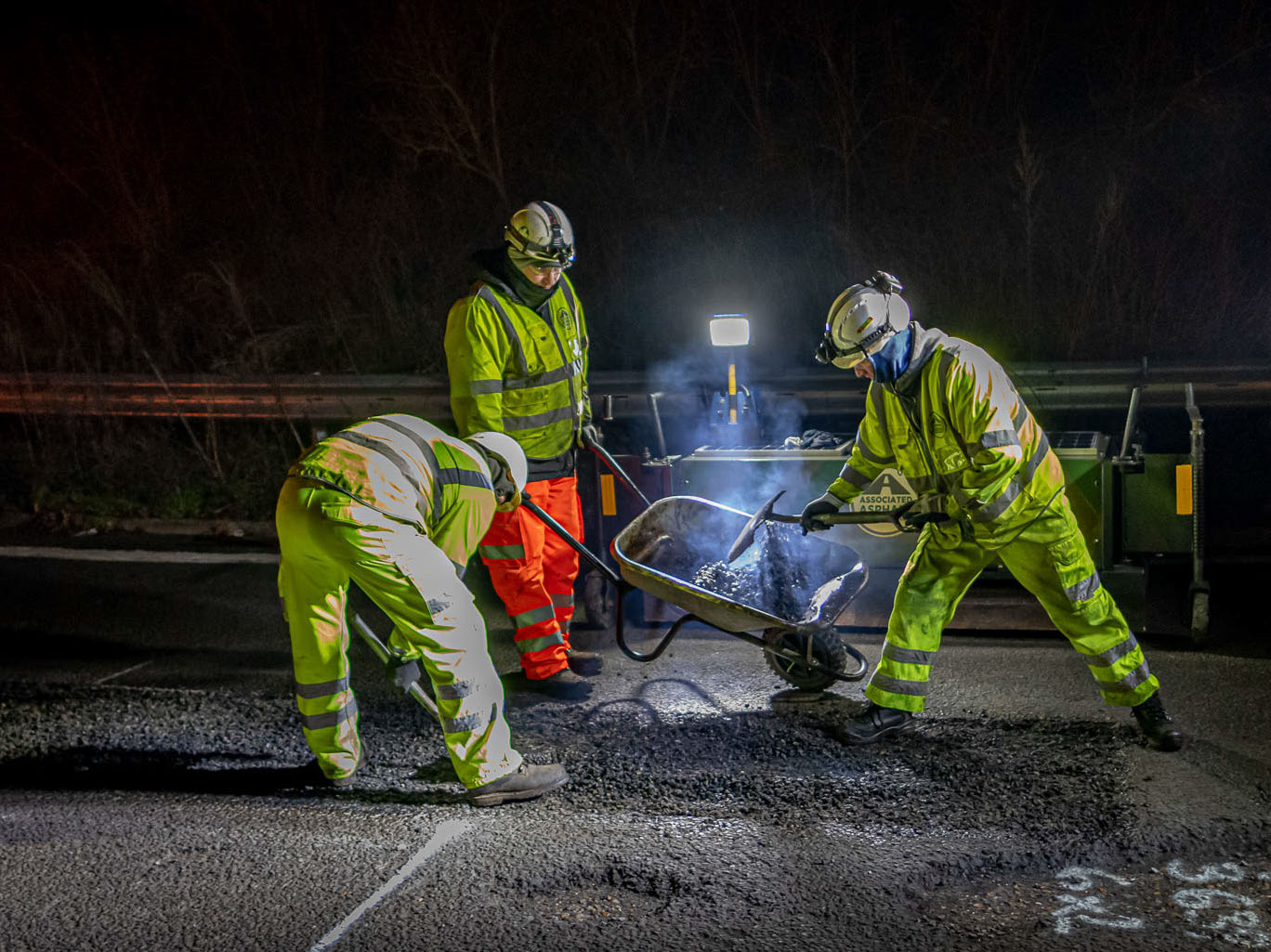
Pothole repairs are a big issue for local councils. They’re constantly under pressure from drivers to improve road conditions, but surface deterioration is currently outstripping the pace of construction and repair budgets.
Part of this issue are the performance incentives in road surfacing contracts. Changing highway investment models will help shift the focus away from short-term fixes to more cost-effective long-term maintenance.
Why pothole repair costs are under scrutiny
For a long time, local highway authorities (LHA) have been under pressure to deliver better road repair strategies. Yet the problem is only getting worse. As of February 2026, 6,290 RAC members mentioned potholes as part of their breakdown log. This compared to 1,842 in February 2025.
The lack of progress around this issue has led national government to step in. This includes the introduction of a new traffic light system, which means the public can see how effectively their LHA is fixing potholes. These ratings also take into account how effectively the £7.3 billion of government funding is being spent.
Designed to change the industry’s approach from focusing on getting as many pothole repairs done as quickly as possible to quality long-term maintenance, it means LHAs will need to start working differently with road surfacing contractors. This includes the payment models used.
The challenges of traditional road repair contracts
Traditional pothole repair contracts between LHA and road surfacing contractors have incentivised the volume of work delivered. They paid contractors based on the unit of work completed. This led highways construction businesses to focus on getting through as many repairs as possible in a short space of time.
Rather than focusing on effective long-term management, contractors would work reactively. This not only made repairs more expensive for LHAs, but meant potholes were just ‘patched up’ and filled, leading them to reappear after a few weeks or months. In short, LHAs held a huge amount of risk, with both high levels of spending and low quality maintenance.
What do pay-for-performance contracts offer?
Rather than rewarding volume of work, pay-for-performance (performance-based) contracts pay contractors based on the quality of their repairs. Used widely in other countries like the USA, payments are tied to the lifecycle of the highways and performance metrics such as:
- Pavement condition and life extension
- Surface smoothness as per the international roughness index (IRI)
- Emergency repair response time and efficiency
These contractors don’t just balance out the risk between LHAs and contractors, they help switch the industry away from quick fixes to a long-term strategic approach to highways maintenance. It also helps LHAs meet the performance standards set by national government, helping them retain their road repair funding.
Why choose road surfacing contractors that use this model?
Moving away from working with contractors on a traditional basis towards a pay-for-performance approach can benefit LHAs in a range of ways:
- It’s more cost-effective over the long term. Rather than heading out to do quick, reactive repairs, contractors are paid based on the maintenance performance of a highway across its lifecycle
- Superior results, with the quality of repairs prioritised over the quantity. This creates a smoother overall surface, minimises the need for repeat repairs and improves overall highways safety for drivers
- It helps meet new governmental standards, which are performance focused. This ensures LHAs don’t miss out on any funding and also improve results in the eyes of drivers
Informed by our overseas experience and innovative approach, we’re recommending changes to the resurfacing industry such as the switch to pay-for-performance contracts. Though only one part of the solution, adjustments like this can help overcome the current highways crisis and improve outcomes for both LHAs and local drivers.